Buying guide
White Noise Machines Buying Guide (2027)
How to buy a white noise machine in 2027: fan versus digital, sound types, volume calibration, and placement.
Fan-based versus digital
Fan machines like the Dohm move real air, producing organic sound with infinite non-repetition. Digital machines like the LectroFan synthesize sound, offering dozens of options in a smaller package. The choice comes down to sensitivity: if you notice loops, go fan; if you want variety, go digital.
Well-designed digital machines avoid audible looping through long generated sequences, so the gap is narrower than purists claim. But it is never zero, which is why the Dohm retains its devoted following.
Understanding sound colors
White noise is the familiar hiss, even across frequencies. Pink noise softens the highs, sounding like steady rain, and masks speech better. Brown noise emphasizes deep lows, sounding like distant thunder, and covers traffic and snoring best. The best machines offer all three because different noises need different tools.
For general bedroom masking, pink or brown usually beats white: they sound less harsh over eight hours and target the low-frequency disturbances that wake people most.
Volume calibration and placement
Set the volume just below the intruding noise, not at maximum. The goal is raising the background floor so disturbances blend in, not creating a louder problem. Conversational level or below is the safe long-term zone.
Place the machine between you and the noise source: near the window for traffic, near the door for hallway sound, near the shared wall for neighbors. A machine behind your head does little for noise coming from the door.
Features worth paying for
Non-looping sound is the one non-negotiable feature; audible repetition ruins the effect. Fine volume control ranks second, since masking requires precise calibration. A sleep timer matters only if you prefer the machine off by morning.
Sunrise alarms, apps, and sound libraries are lifestyle upgrades, not masking upgrades. Pay for them when mornings or variety matter to you, not for better sleep masking.
Start with our top 3
The three highest-ranked products in our full the best white noise machines (2027) ranking. Read the in-depth review where one exists, or jump to the product in the ranked list.

LectroFan Evo
22 sounds, zero loops, total precision.
- Sound options: 22 non-looping sounds
- Sound types: 10 fan, 10 white noise variants, 2 ocean

Yogasleep Dohm
Real fan sound, no loop.
- Sound source: Real fan, no digital loop
- Speeds: Two, plus adjustable tone vents
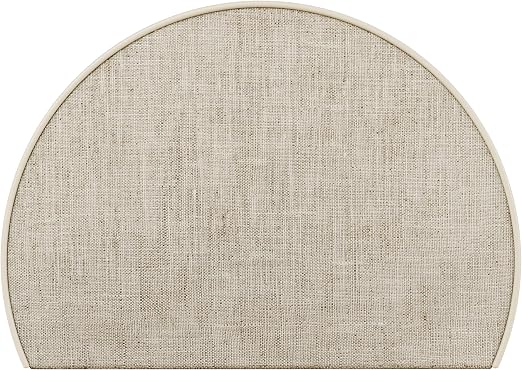
Hatch Restore 2
Sunrise alarm meets sound machine.
- Alarm: Sunrise simulation with light and sound
- Display: Dimmable clock
Questions, answered
How loud should I set it?
Just below the level of the noise you are masking, and never above conversational volume for extended use. If you must shout over it, it is too loud.
Where should I place it?
Between you and the noise source. Near the window for street noise, near the door for hallway noise.
Are phone apps good enough?
For casual use, yes. For nightly reliability, dedicated machines win: no notifications, no battery anxiety, no screen glow.
How long do white noise machines last?
Digital machines last many years; fan machines like the Dohm have famously long lifespans with minimal maintenance.